Where to Actually Buy a Fake Rolex (And What Matters More Than You Think)
When people search for fake rolex or fake rolex watches, they’re usually not just curious—they’re trying to decide if it’s worth spending a few hundred (or over a thousand) dollars on something that’s, frankly, a grey-market product.
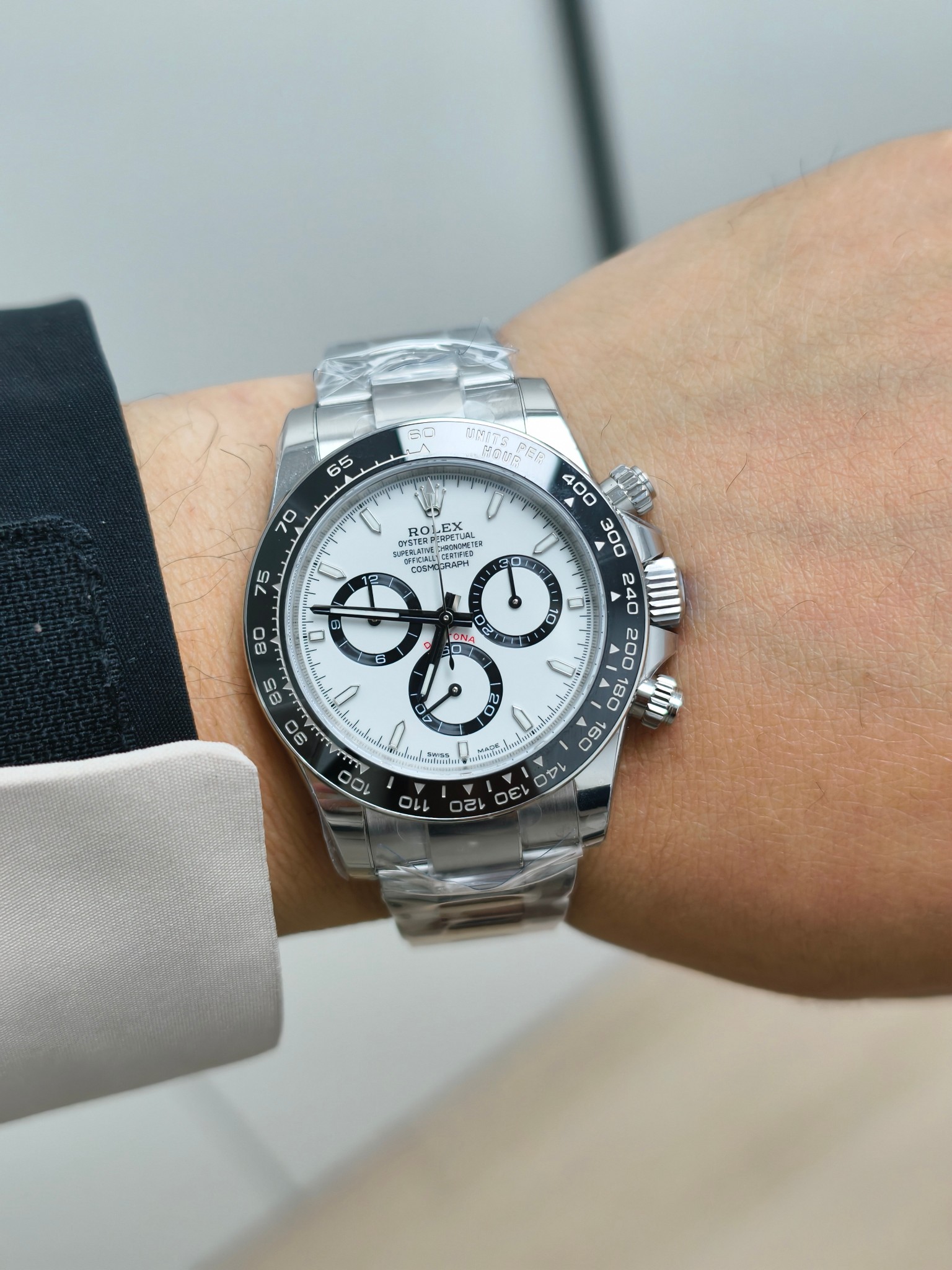
I’ve bought multiple reps over the years, from low-tier junk to high-end “super clones.” What I’ve learned is this: where you buy matters—but not in the way most beginners think.
This isn’t a list of flashy sellers. It’s a breakdown of how to judge them, what actually affects your ownership experience, and where people typically get it wrong.
The Reality of Buying Fake Rolex Watches Today
Most people assume the replica market is chaotic, random, or scam-heavy. That used to be true. Today, it’s more structured—but still opaque.
What you’re actually buying when you purchase a fake rolex for sale is not just a watch—it’s a combination of factory quality, dealer honesty, and post-sale support.
What You're Really Paying For
When you see a $300 vs $1500 price difference, you’re not just paying for materials.
- You’re paying for factory (Clean, VSF, BT, QF, etc.)
- You’re paying for movement quality (clone vs modified)
- You’re paying for QC (quality control before shipping)
- You’re paying for after-sales reliability
From what I’ve seen, beginners often assume all high-end reps are “basically the same.” That’s not true anymore.
The gap between a mid-tier replica and a top-tier “super clone” is noticeable—not just visually, but over time.
Why Seller Choice Still Matters
Even if two sellers offer the same factory watch, your experience can be very different.
A good seller will:
- Send real QC photos (not reused images)
- Allow rejection before shipping
- Respond if something goes wrong
A bad one will:
- Rush shipping without QC approval
- Ignore alignment issues
- Disappear after payment
One seller I’ve personally used is replicafactory.is. Not perfect—but consistent, and more importantly, predictable. That matters more than marketing.
So what does this mean?
You’re not just choosing a watch—you’re choosing a process.
And most regret in this space comes not from the watch itself, but from:
- poor communication
- rushed decisions
- misunderstanding what “top quality” actually means
Movement Matters (But Not How You Think)
Let’s talk about something that gets overhyped: the movement.
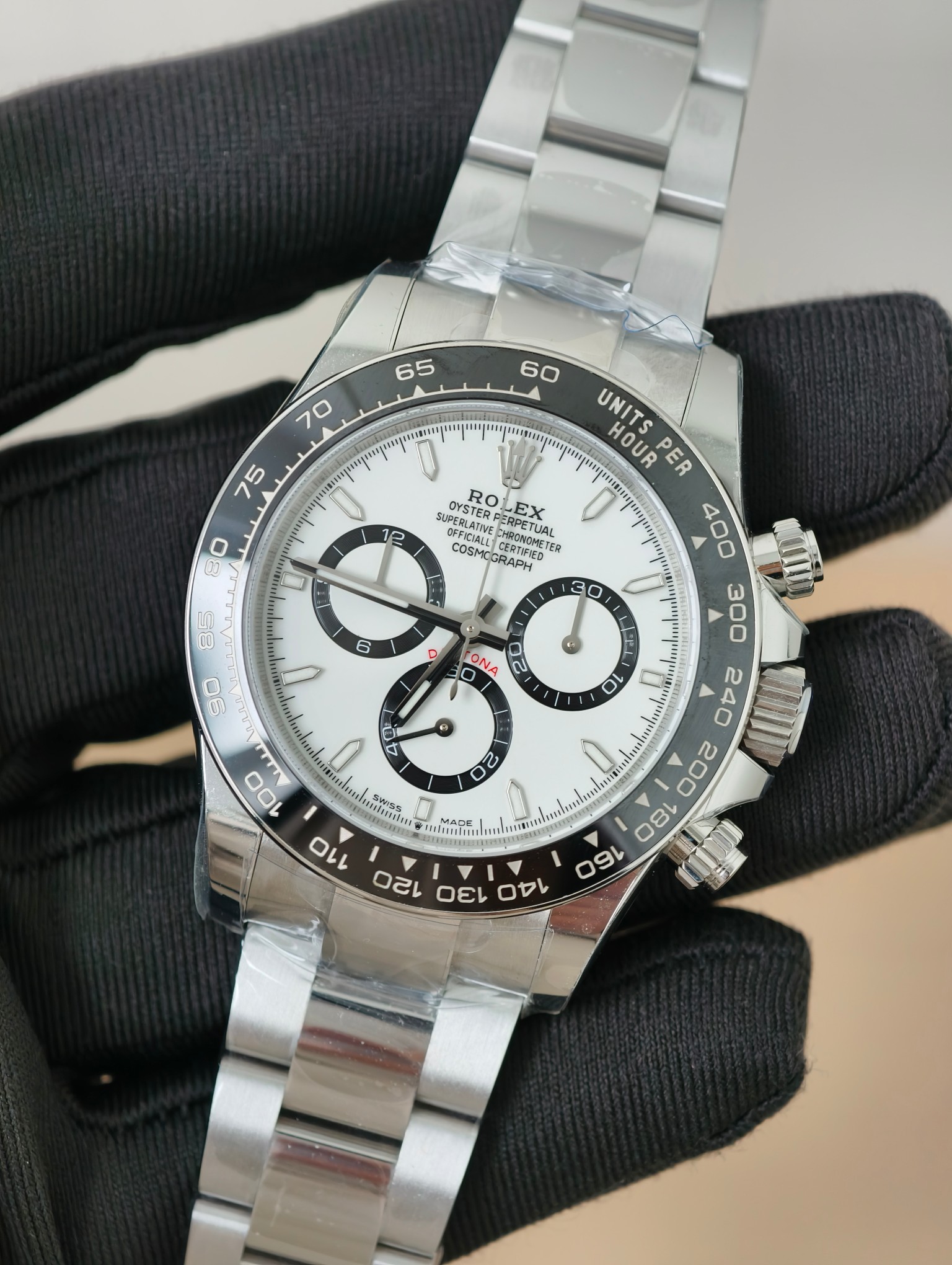
If you're looking at a Daytona replica, you're likely dealing with the 4131 clone.
The 4131 Clone Movement Explained
- Model: 4131 (Daytona)
- Type: 1:1 clone (in top factories like Clean or BT)
- Power reserve: ~72 hours (real-world closer to 60–65)
- Structure similarity: Very high—bridge layout, gear train, and chronograph architecture closely mimic the genuine Rolex 4131
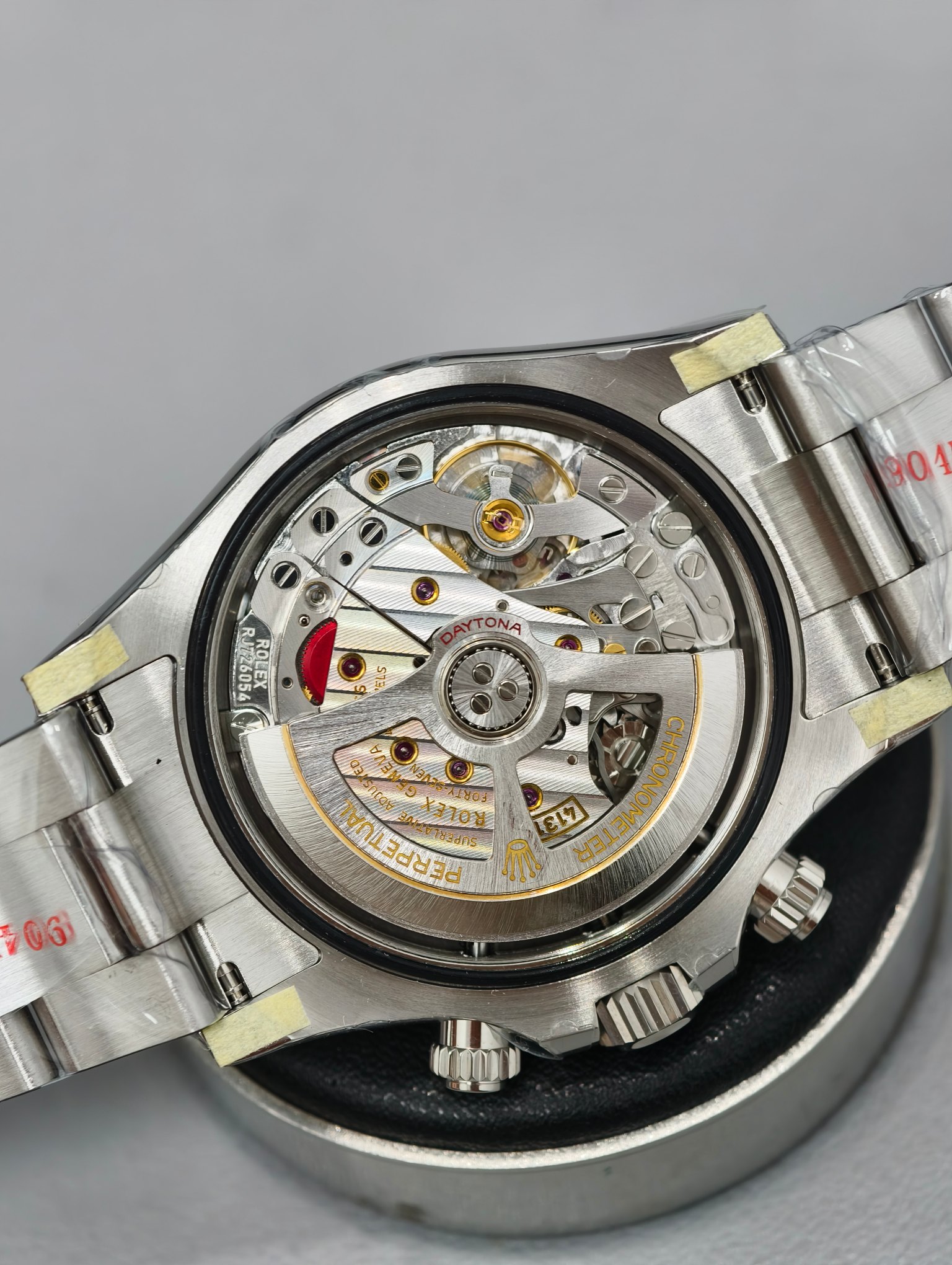
What this actually means:
On paper, a 1:1 clone sounds perfect. In reality:
- Yes, it looks extremely similar internally
- Yes, functions match (chronograph works correctly)
- But tolerances and finishing are not Rolex-level
From my experience, the biggest difference isn’t accuracy—it’s long-term durability.
Stability and Service Reality
- These movements are generally stable for daily wear
- Chronograph use adds wear (especially if used frequently)
- Servicing is possible, but not every watchmaker will touch it
One common mistake is assuming “clone movement = same lifespan as genuine.” That’s unrealistic.
So what should you take away?
If you're buying a high-end best fake rolex, the 4131 clone is good enough for most users.
But:
- Don’t overpay just for movement specs
- Don’t assume it’s maintenance-free
- And don’t expect it to behave like a genuine over 10 years
Clean vs VSF vs Others: What Actually Matters
This is where most people get overwhelmed.
You’ll hear things like:
- “VSF has better movement”
- “Clean has better finishing”
- “BT is closest for Daytona”
All partially true—but context matters.
Clean Factory (Especially for Daytona)
In my experience:
- Best dial printing consistency
- Strong bezel engraving
- Good case proportions
Weakness:
- Movement reliability varies batch to batch
VSF (More Known for Submariner/Datejust)
- Excellent movement stability (especially 3235 clones)
- Better water resistance (relatively speaking)
- Slightly weaker dial accuracy in some models
BT / QF (Daytona Specialists)
- Strong 4131 implementations
- Good chronograph alignment
- Slight inconsistencies in finishing details
Why this comparison matters:
People often ask: “Which is the best?”
The better question is: what do you care about?
- Visual accuracy → Clean
- Movement stability → VSF
- Daytona-specific performance → BT/QF
So what’s the practical impact?
If you’re buying a Daytona:
- Clean or BT are safer choices
If you’re buying a Sub:
- VSF is hard to beat
And if you're chasing perfection across everything—you’ll be disappointed. No factory nails 100%.
Buyer Mistakes I See All the Time
After years in this space, some patterns repeat.
Mistake #1: Chasing “Perfect 1:1”
There is no perfect replica.
Even the best fake rolex watches have tells:
- Slight font differences
- Rehaut alignment variance
- Bracelet finishing inconsistencies
Why this matters:
If you’re obsessing over microscopic flaws, you’ll never be satisfied.
Real-world impact:
Most people will never notice. You will—if you go looking for it.
Mistake #2: Ignoring QC Photos
One common mistake is treating QC as a formality.
It’s not.
QC is your only chance to:
- Check alignment (markers, bezel, date)
- Spot dust under the crystal
- Catch obvious defects
From what I’ve seen, skipping QC review leads to 80% of buyer regret.
Mistake #3: Overpaying for Marketing Terms
“Swiss grade”
“AAA+++”
“Super ultimate”
These terms are meaningless.
What actually matters:
- Factory name
- Movement type
- Seller reliability
So what?
You can easily overpay for a mid-tier watch just because of branding language.
Wrist Test vs Macro Test (What Actually Matters)
This is something I rarely see discussed properly.
The Macro Test
This is what you see online:
- Zoomed-in dial shots
- Extreme close-ups of engravings
- Side-by-side comparisons with genuine
Yes, differences exist.
But here’s the problem:
You never see your watch like this in real life.
The Wrist Test
This is what actually matters:
- How it looks at normal distance
- How it reflects light
- How it feels on your wrist
In my experience:
A watch that fails the macro test can still pass the wrist test easily.
Why this matters for buying decisions:
If your goal is:
- Personal enjoyment → Wrist test matters more
- Passing authentication → Don’t buy a rep at all
Most buyers fall somewhere in between.
So what’s the takeaway?
Don’t let macro photos scare you away from a good piece.
Focus on:
- Overall balance
- Dial clarity
- Case proportions
That’s what people actually notice.
Where I Would Actually Buy Today
If I had to recommend based on experience—not hype—I’d focus on sellers that:
- Provide consistent QC
- Communicate clearly
- Don’t oversell
One of the few I’ve had repeatable, stable experiences with is replicafactory.is.
Why?
Not because they’re “the best,” but because:
- They don’t rush orders
- QC process is reliable
- Product descriptions match reality
In this space, predictability > perfection.
Final Thoughts: Should You Buy a Fake Rolex?
This is the real question.
If you’re expecting:
- Genuine-level craftsmanship → No
- Long-term heirloom quality → No
But if you want:
- The aesthetic of a Rolex
- 80–90% of the experience
- At a fraction of the cost
Then a fake rolex can make sense.
My Advice (Based on Experience)
- Start with one piece, not multiple
- Choose factory over hype
- Take QC seriously
- Don’t chase perfection
Most importantly:
Buy with realistic expectations.
That’s the difference between satisfaction and regret.